contact@eagleedutour.com +65 93450527
101A Upper Cross St, #12-24 People's Park Centre, S058358 EN中
EAGLE EDUTOUREagle Edutour
Highlight
Singapore
China
Business Visits
Study Abroad
About
Contact
Enrol Now Contact Us 中文

Study Abroad Services

Free Personalized Study Abroad Planning

Safe, bilingual, and direct pathways to top global universities—giving your child a lifelong advantage through Singapore.

WHAT WE DO

What We Offer

From school selection and applications to settling in and academic follow-up, every service is built around your child’s real adjustment and long-term progression.
School Planning

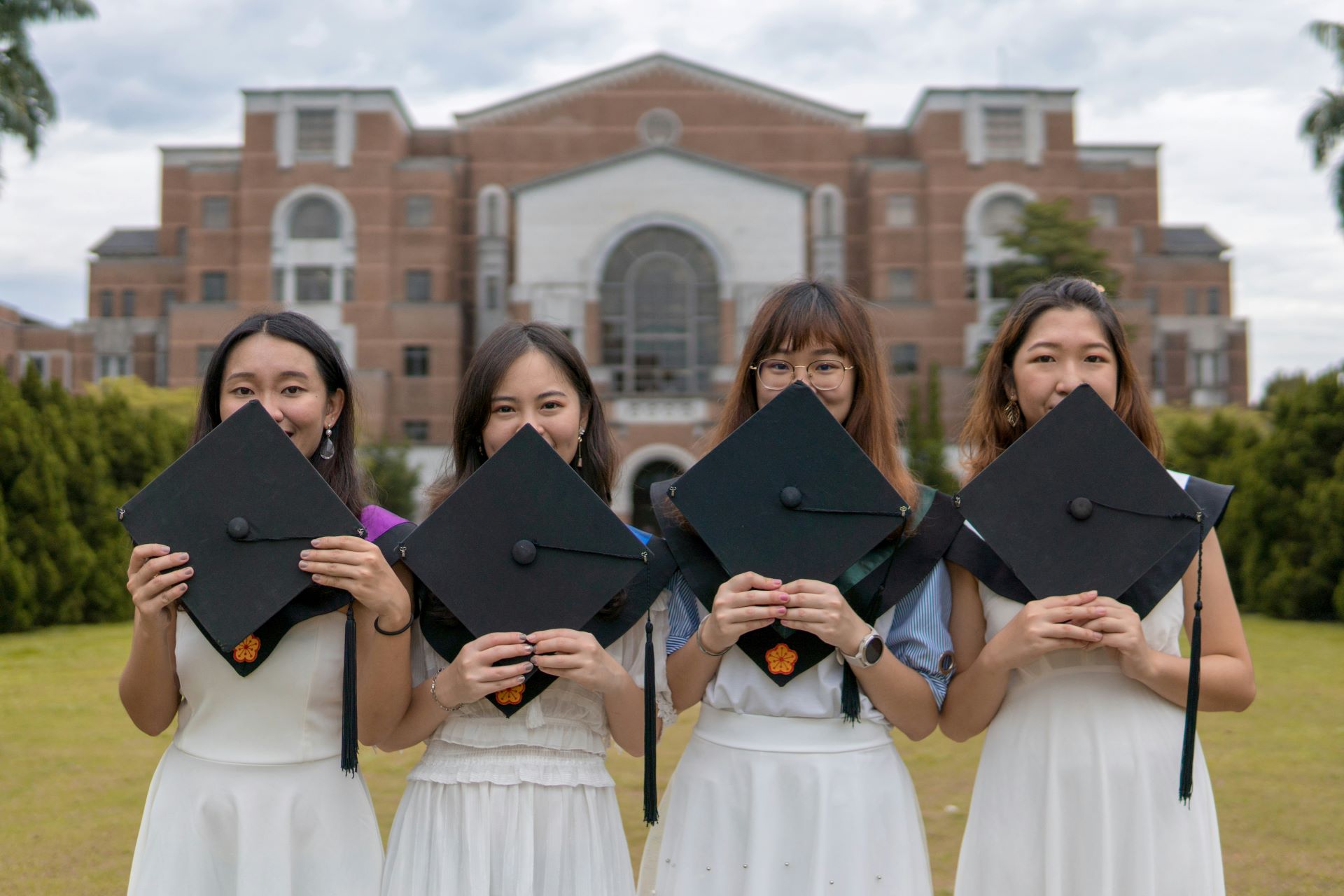
School Planning

Personalized school matching tailored to your child’s profile and goals.

Application Guidance

Application Guidance

End-to-end guidance for documents, exams, interviews, and timelines.

Guardianship & Parent Visas

Guardianship & Parent Support

Assistance with local guardianship and parent accompaniment solutions.

Settling-In Support

Settling-In Support

Housing, school adjustment, and living support for a smooth transition.
Academic Pathways

Academic Pathways

Long-term strategic planning targeting future higher education goals.
Ongoing Support

Ongoing Support

Regular communication and progress tracking after enrollment.

OUR PROCESS

Our Process

Four clear stages from the first conversation to a settled child, each with a named owner and a tangible deliverable.

Assessment

Evaluate student profile, goals, and timeline.

Planning

Shortlist target schools and map out the application path.

Application

Prepare documents and guide every submission.

Settling In

Arrange guardianship, housing and school transition.

WHY PLAN AHEAD

Planning is about more than an offer

Singapore offers several school systems with different entry requirements and calendars. Government, international and private schools each follow their own admissions logic. Clarifying the pathway, timing and settling-in arrangements early helps children avoid detours and gives families more confidence.

01

Choose the right pathway

Government, international and private schools differ in entry requirements and curricula. Start with your child’s age, English level and learning habits before choosing a direction.

02

Get the timing right

AEIS / S-AEIS, international school places and Student’s Pass processing all run on fixed windows. Starting 12–18 months ahead keeps many more schools open.

03

Land with support

Accommodation, guardianship, SIM cards, banking and enrolment all affect how quickly a child settles in. Pre-arranged support makes the transition calmer for everyone.

WHO IT IS FOR

Which families benefit from early planning

There is no single answer to studying abroad, but there are shared decision points. If any of the following applies, an early assessment is worthwhile.

✓
Children aged 6–16Considering younger overseas study, a mid-year transfer or an early move into the Singapore system.
✓
Targeting government schoolsNeeding structured AEIS / S-AEIS preparation, school selection and pass applications.
✓
Considering international curriculaLooking at IB, IGCSE or A-Level and university options in the UK, US, Australia or Canada.
✓
Needing guardianship or accompanimentA parent plans to accompany the child, or the family needs a local guardian, boarding or daily support.

PATHWAYS

Singapore pathways at a glance

Studying in Singapore can mean very different entry routes, curricula and onward options. Understand the map before choosing a school.

A

Government schools

Primary · Secondary

  • For families seeking deep integration into the local system and a long-term future in Singapore.
  • International students usually sit AEIS / S-AEIS for placement.
  • Primary 1 admission follows MOE’s annual arrangements; places are not guaranteed.
B

International schools

IB · IGCSE · A-Level

  • For families planning university abroad and looking for internationally recognised curricula.
  • Entrance tests and interviews are usually required.
  • Check English-language support, place availability and intake dates.
C

Private schools

Preparatory · O-Level · A-Level

  • For students who need a transition programme, AEIS preparation or an O-Level pathway.
  • Verify the school’s accreditation and course structure first.
  • Understand exam registration and onward progression routes.
D

Higher education

Polytechnics · Junior Colleges · Universities

  • For students who have completed O-Level, A-Level or IB.
  • Focus on results, subject combinations and course requirements.
  • Application deadlines vary by institution, so plan ahead.

This is a general overview. Entry requirements, exam arrangements and school policies follow the latest official guidance from MOE, ICA and each school.

TIMELINE

A practical annual application timeline

Break the goal into four stages, each with a clear deliverable. The earlier you start, the more you move from waiting for a place to choosing a school.

12–18 months ahead

Assessment and pathway design

Review age, grades, English level, budget and long-term goals; choose government, international or private; shortlist 3–5 schools.

9–12 months ahead

Language and exam preparation

Build a study plan for AEIS, O-Level or school entrance tests, and practise interviews and academic English.

6–9 months ahead

Applications and place confirmation

Prepare transcripts, enrolment letters and references; submit applications and follow up on offers and waitlists.

3–6 months ahead

Passes and settling in

Apply for the Student’s Pass, arrange accommodation, guardianship and insurance, and plan arrival, enrolment and orientation.

Timelines are general guidance only. Exam windows, deadlines and pass requirements follow the latest MOE, ICA and school announcements.

CHECKLIST

Application checklist

Missing documents cause the most delays. Work through this checklist item by item before you apply.

✓
Identity documentsChild’s and parents’ passports, birth certificate and recent photos.
✓
Academic recordsTranscripts for the last two years, enrolment letter or graduation certificate.
✓
Language and test resultsAEIS, O-Level, IELTS or other English results, if available.
✓
Health and vaccinationImmunisation records and medical reports as required by the school.
✓
Financial evidenceBank or income statements as required by ICA and the school.
✓
Guardianship and housingLocal guardian, homestay or student accommodation details.
✓
Supporting documentsPersonal statement, references, awards or portfolio where required.
✓
Other documentsApplication forms, application fees and any school-specific documents.

Requirements vary by school and grade. Always follow the school’s own checklist; non-English documents usually need translation.

BUDGET

Budget framework

Tuition is only one part of the cost. Put these four categories together into a full 12-month cash-flow plan so there are no surprises.

01

Tuition

Government, international and private schools differ significantly. Use the annual fees published by each school.

02

Accommodation

Student residences, homestays or private rentals, depending on location, room type and lease length.

03

Living and transport

Meals, public transport, mobile plans, uniforms, textbooks and co-curricular activities.

04

One-off costs

Application and registration fees, deposits, insurance, flights and pass-related costs.

We do not quote fixed fees. Please refer to the latest official information from MOE, ICA and the schools, and keep a 10–15% contingency within the 12-month budget.

SCHOOL FIT

Six questions before choosing a school

Rankings are only a reference. Daily commute, class size, English support, school culture and peer group matter far more to a child’s experience.

01
Age and gradeWhich Singapore grade can your child join?
02
EnglishCan your child follow lessons in English, and is language support needed?
03
CurriculumLocal system, IB, IGCSE or A-Level?
04
BudgetWhat annual tuition and living budget is comfortable?
05
Guardianship and housingWill a parent accompany the child, or will you use a homestay or student residence?
06
Long-term goalUniversity in Singapore, the UK, the US, or back home?

AFTER ENROLMENT

Support continues after enrolment

An offer is only the beginning. Following the curriculum, building friendships and making the right choices at key milestones are the real challenges.

Our role is not simply to send a student abroad, but to help the family walk the whole path with confidence — from the first term to the next progression decision.

  • Academic follow-upReview grades, classroom performance and subject choices each term, and adjust the study plan.
  • Progression milestonesRemind families about O-Level, A-Level, IB and polytechnic application windows.
  • Parent updatesKeep parents informed and help resolve school and settling-in issues.
  • Emergency supportProvide local contacts and practical guidance for illness, accommodation or pass-related issues.

FAQ

Study In Singapore FAQs

Ten questions families ask most often about studying in Singapore.

What are the main advantages of studying in Singapore?
Many families choose Singapore not only for its geographic proximity to China, excellent public safety, and orderly governance, but also for its unique bilingual environment and multicultural society. It preserves a strong Chinese cultural foundation while delivering an English-medium academic environment, allowing younger students to adapt smoothly without losing touch with Asian heritage. Furthermore, Singapore boasts a mature, world-class education system, making it an ideal spring board for a child’s long-term international education.
What is the best age for a child to study in Singapore?
Study planning should be tailored to the child’s age and stage of development. For kindergarten or lower primary students, the focus is usually on language adaptation and daily routines. For upper primary or secondary students, careful planning is needed based on their English and math proficiency, intake timelines, and preferred school types. For instance, entering government schools typically requires passing the AEIS/S-AEIS exam, which is the primary route for international students into the public system (note that Primary 1 registration for international students does not guarantee admission and prioritizes citizens and permanent residents). For high school students and above, planning should focus on long-term pathways such as O-Levels, A-Levels, IB programs, or polytechnic diplomas.
What types of schools are available in Singapore?
Singapore offers a wide array of educational institutions, including government schools, government-aided schools, international schools, private schools, and higher education institutions. Families seeking complete immersion in the local education system often opt for government schools, while international schools are popular for their flexible intake schedules and global curricula. When choosing, parents should look beyond rankings and evaluate their child’s age, language foundation, adaptability, family budget, and future academic goals to find the best match.
Is a student visa required to study in Singapore?
In most cases, yes. Under ICA (Immigration & Checkpoints Authority) regulations, foreign students enrolled in full-time programs at Singapore educational institutions must hold a valid Student’s Pass, unless they hold an eligible Dependant’s Pass (DP), Long-Term Visit Pass (LTVP), or Immigration Exemption Order. The standard process follows “admission offer first, then Student’s Pass application.” Specific requirements vary by school and program, and studying long-term on a tourist visa is strictly prohibited.
Can parents accompany their child while studying in Singapore?
Yes, parents can apply to accompany their child, though approval depends on meeting specific eligibility criteria. Under current regulations, for students holding a Student’s Pass, one parent (or grandmother) may apply for a Long-Term Visit Pass (LTVP). For the first year, a local sponsor who is a Singapore Citizen or PR over 21 years old is required. Please note that an LTVP does not grant immediate permission to work; accompanying guardians are generally not permitted to work during their first year. After residing for one year, if employment is secured, the employer can apply for a Work Permit on their behalf. Therefore, accompaniment planning should account for legal status, family cash flow, and career considerations alongside the child’s school admission.
What expenses are involved in studying in Singapore?
Study abroad costs extend beyond tuition fees alone. A comprehensive budget typically covers tuition, miscellaneous fees, accommodation, meals, transportation, insurance, uniforms, textbooks, and extracurricular or tutoring expenses. Tuition varies significantly based on residency status (e.g., PR vs. International) and school type (Government vs. Private/International). Public school fee structures can be verified on the MOE official website, while overall costs for international and private schools are generally higher, requiring budget allocation for additional items such as application fees, registration fees, security deposits, and school bus transportation. Parents are advised to calculate full annual costs and establish a sustainable financial plan aligned with family resources and long-term residency goals.
My child’s English is weak. Can they join an international school directly?
Most international schools assess English and offer EAL (English as an Additional Language) support or a transition programme. Whether a language programme is needed first depends on the school’s policy, the child’s age and grade. We recommend an English assessment before applying, and preparing for the interview as well as the paperwork — admission is only the first question; keeping up in class is the second.
Government school or international school — which is better?
Government schools cost less and offer deeper integration into the local system, but international students usually need to pass exams and places are limited. International schools are more flexible and internationally aligned, but overall costs are higher. Decide based on your child’s English level, personality, family budget and long-term university plans. There is no universally better school — only the one that fits your child at this stage.
Can my child transfer mid-way?
Yes, subject to grade, place availability and curriculum continuity. Schools usually ask for transcripts, attendance records and references, and may set an entrance test or interview. Plan at least one term ahead to avoid disrupting the course; if the Student’s Pass needs to be changed, allow time for ICA processing as well.
Can a parent accompany the child without speaking English?
Chinese is widely understood in daily life, but school communication, renting, banking and paperwork are usually in English. LTVP eligibility, sponsorship and documentation requirements follow ICA’s latest policy, so confirm before making plans. If a parent cannot stay in Singapore full-time, a local guardian, homestay or student residence can be a practical alternative.

NEXT STEP

Start with a free assessment

Tell us your child’s age, grade, English level and goals. Within 1–2 working days we will share an initial pathway recommendation and timeline. We do not promise admission outcomes — we simply make the real options clear.

We welcome you to connect with us via any of the following channels.

Business Email contact@eagleedutour.com
Contact Number +65 93450527

WeChat Enrol Now